Software development is a complex process that requires meticulous planning, execution, and management. Whether you’re a seasoned developer or a newcomer to the field, having a structured approach to your projects is essential for success. This is where a software development checklist comes into play. In this comprehensive guide, we’ll delve into the significance of software development checklists, explore the best practices, and outline the key components necessary for an effective checklist.
What is Software Development Checklist and Why is it Important?
Definition of Software Development Checklist
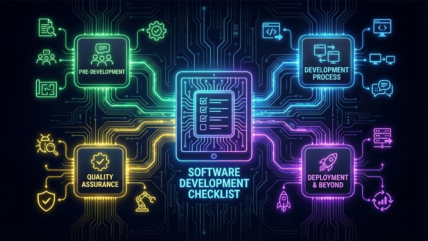
Before diving into its importance, let’s define what a software development checklist is. A software development checklist is a systematic list of tasks, actions, and considerations that developers follow throughout the development process. It serves as a roadmap, guiding developers from project initiation to deployment and beyond. Essentially, it’s a tool that ensures nothing falls through the cracks, helping teams stay organized and focused on delivering quality software products.
Benefits of Using a Software Development Checklist
The benefits of incorporating a software development checklist into your workflow are manifold. Firstly, it promotes consistency and standardization across projects. By having a predefined set of tasks to accomplish, developers can maintain uniformity in their approach, reducing the likelihood of errors and omissions.
Moreover, a checklist acts as a reminder of critical steps that might otherwise be overlooked amid a hectic development cycle. It serves as a safeguard against missed requirements, deadlines, or quality standards. Additionally, a checklist fosters collaboration and communication within the development team. Each member knows their responsibilities and can track progress transparently, leading to smoother workflows and improved productivity.
Best Practices in Software Development
Communication and Documentation
Effective communication is paramount in any software development project. Clear and concise communication ensures that all team members are aligned with project goals, requirements, and timelines. Regular meetings, status updates, and documentation of decisions are essential for keeping everyone on the same page. Moreover, documenting key discussions, design choices, and code changes provides valuable insights for future reference and troubleshooting.
Maintaining Staging and Production Environments
Staging environments replicate the production environment as closely as possible, allowing developers to test new features and fixes in a controlled setting before deploying them to production. This helps identify potential issues early on and prevents disruptions to the live system. Furthermore, maintaining separate environments ensures that development and testing activities don’t interfere with the user experience on the production site.
Version Control in Software Development
Version control is a fundamental aspect of modern software development practices as it allows developers to track changes to code, collaborate effectively, and revert to previous versions if needed. By using version control systems such as Git, teams can manage codebase changes seamlessly, minimizing conflicts and facilitating parallel development. Branching and merging strategies ensure that code changes are integrated smoothly, maintaining the stability and integrity of the software throughout its lifecycle.
Software Development Life Cycle Explained
Overview of the Software Development Life Cycle
The software development life cycle (SDLC) encompasses all phases of software development, from initial planning to deployment and maintenance. While specific methodologies may vary, the SDLC typically consists of stages such as requirements analysis, design, implementation, testing, and deployment. Each stage has its own set of activities, deliverables, and checkpoints to ensure the quality and functionality of the software product.
Key Stages in the Software Development Life Cycle
One of the key stages in the SDLC is requirements analysis, where project requirements are gathered, analyzed, and documented. This phase lays the foundation for the entire development process, shaping the scope, timeline, and resources needed for the project. Another critical stage is design, where the architecture, user interface, and system components are planned and documented. Effective design ensures that the software solution meets the desired functionality, scalability, and usability requirements.
Integrating Quality Assurance in the Development Process
Quality assurance (QA) is an integral part of the software development process, aimed at ensuring that the final product meets the specified quality standards. QA activities include testing the software for bugs, performance issues, and usability concerns. Test-driven development (TDD) is a popular approach where tests are written before the code is implemented, ensuring that each feature meets the expected behavior. By integrating QA practices early in the development cycle, teams can detect and address issues proactively, leading to higher-quality software solutions.
How to Define Project Requirements for Software Development
Importance of Defining Clear Project Requirements
Clear and comprehensive project requirements are essential for successful software development. They serve as a roadmap for the development team, guiding their efforts and ensuring alignment with stakeholder expectations. Well-defined requirements help prevent scope creep, budget overruns, and misunderstandings that can derail a project. By clearly articulating the needs and objectives upfront, teams can focus on delivering a solution that meets the client’s needs efficiently and effectively.
Collaborating with Stakeholders to Gather Project Requirements
Gathering project requirements is a collaborative effort that involves engaging with various stakeholders, including clients, end-users, and subject matter experts. By soliciting input from all relevant parties, teams can gain a holistic understanding of the project goals, constraints, and success criteria. Stakeholder involvement fosters transparency and buy-in, ensuring that the final solution reflects their needs and expectations.
Documenting Project Requirements Effectively
Effective documentation of project requirements is essential for clarity, traceability, and accountability. Requirements documents should capture both functional and non-functional requirements, detailing what the software should do as well as any performance, security, or compliance criteria it must meet. Using standardized templates and notation conventions can enhance readability and consistency across documents.
Ensuring Successful Deployment of Software
Steps to Deploy the Software Effectively
Before deployment, teams should conduct thorough testing in staging environments to validate the functionality, performance, and compatibility of the software. This includes regression testing to ensure that new features don’t introduce unintended side effects or break existing functionality. Once testing is complete, a well-defined deployment plan should be executed, including steps for backing up data, updating configurations, and verifying post-deployment stability.
Role of Software Architecture in Successful Deployment
Software architecture plays a crucial role in determining the scalability, reliability, and maintainability of a software system. A well-designed architecture provides a solid foundation for deployment, allowing for seamless scaling and adaptation to changing requirements. By following established architectural patterns and principles, such as separation of concerns, modularity, and abstraction, developers can build systems that are flexible and resilient to change.
Testing and Quality Assurance Before Deployment
Comprehensive testing, including unit tests, integration tests, and acceptance tests, helps identify and mitigate defects early in the development process. Automated testing frameworks and continuous integration pipelines streamline the testing process, providing rapid feedback on code changes and reducing the risk of regressions. Quality assurance activities, such as code reviews and static analysis, further enhance the reliability and maintainability of the software, ensuring that it meets the required quality standards before deployment.
Conclusion
In conclusion, a software development checklist is a valuable tool for streamlining the development process, ensuring consistency, and delivering high-quality software solutions. By following best practices, defining clear project requirements, and integrating quality assurance throughout the development lifecycle, teams can minimize risks, optimize workflows, and achieve successful deployments.
Whether you’re a seasoned developer or embarking on your first project, incorporating a checklist into your workflow can help you stay organized, focused, and on track to meet your project goals. Remember, the ultimate goal of software development is not just to write code, but to deliver solutions that meet the needs and expectations of users effectively and efficiently.